When it coms to designing a gorgeous ring or bespoke piece of jewellery, understanding the differences between 9 carat gold, 18 carat gold, and 24 carat gold is indispensable. Selecting from the range of different metals is one of the first steps couples often take when purchasing a ring or designing unique gold engagement rings. Stepping inside a jeweller and you may also find yourself presented with a stunning variety of golds, plating, or carats to select from.
Each carat gold has properties which may also influence your final ring design concept. Let us take a detailed look at the distinctions between 9 carat, 18 carat, and 24 carat gold.
What does ‘carat gold’ mean?
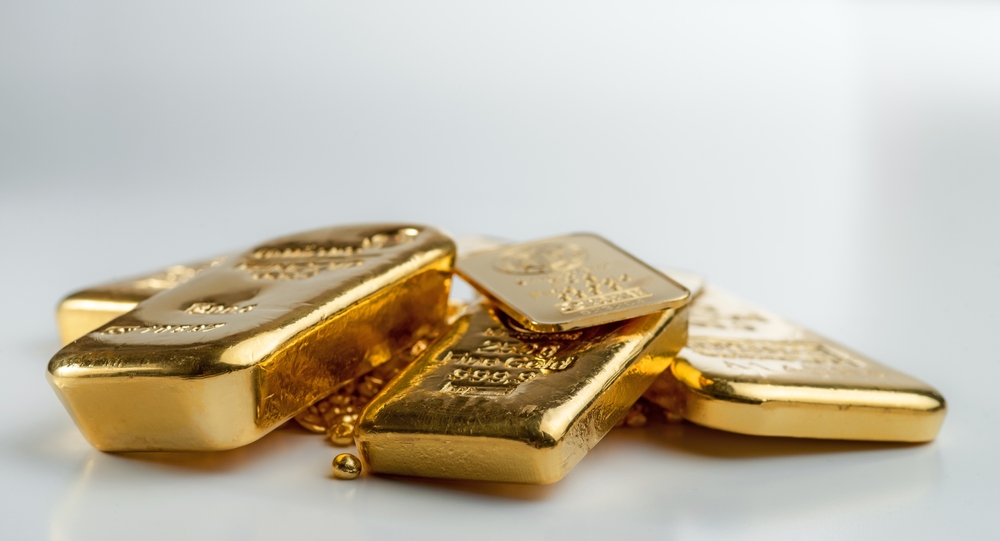
The purity of gold is based on a total of 24 parts, and each unit is called a carat. ‘Caratage’ or carats, are the indication of gold against other metal alloys. The higher the carat the purer the gold, therefore 24 carat gold is 100% pure with no other metals.
So, why would jewellers create rings and jewellery with less gold?
Pure gold is actually a very soft metal, and for that reason it is not always used in its purest form to make jewellery. To make gold more suitable for jewellery such as rings, the gold is mixed with other alloyed metals such as silver, nickel, or copper. By decreasing the purity, gold gets heavier and harder creating other carats such as 9 carat gold and 18 carat gold which are commonly used in Australian jewellery designs.
9 Carat Gold

9 carat gold means 9 parts or 37.5% is pure gold, and the rest is made of other metals, giving a less yellow and lustrous appearance compared to higher carats. While it is lighter in colour because it contains less pure gold, 9ct gold is significantly harder and higher on the Mohs Scale of Hardness, which is why it is commonly used to make more affordable jewellery for everyday wear. An important factor to keep in mind, although 9ct gold is technically ‘harder’ when compared to 24 and 18 carat gold, because 9ct gold jewellery has less gold it can also be more brittle, and with a higher percentage of other metals it is more prone to tarnishing compared to jewellery made with higher carat gold.
PROS
- 9 carat gold has a lighter, less yellow colour for those that don’t aren’t set on the distinct bright yellow of 24ct gold.
- Is a fine choice for everyday jewellery such as dress rings, bracelets, earrings, and pendants, especially if you are attracted to a more rustic or weathered aesthetic.
- Considerably more affordable compared to 24 and 18 carat gold, 9 carat gold is the ideal gold for budget-conscious buyers looking for beguiling and quality jewellery without the hefty price tag
CONS
- Less resistant to knocks and scratches, 9ct gold is also more likely to tarnish compared to 24ct and 18ct gold, so special consideration and care should be taken to keep the original beauty and shine.
- Soap, shampoo, creams, lotions, perfumes, and other products can also affect the appearance over time.
- With a higher content of other metals, 9ct gold could be a cause for concern for people with sensitive skin or particular metal allergies.
18 Carat Gold

If you adore intricate designs, 18 carat gold strikes a superior balance between purity and practicality. Containing 75% gold while the rest is fashioned using other metals such as copper or silver, 18ct gold is precious yet significantly more durable compared to other carats. The higher gold content gives 18ct gold a richer, deeper yellow tone ensuring it stands out especially when it is set with diamonds; an exquisite look for engagement rings and wedding bands.
PROS
- 18ct gold has a rich, deep yellow colour, giving it a luxurious appearance.
- With twice as much gold compared to 9ct, 18 carat gold is a considerably more durable and long-lasting choice for engagement and wedding rings, making it worth the higher price.
- 18ct gold retains intrinsic value and is perfect if you would love to create an heirloom that could be passed down to future generations.
- Is more resistant to tarnishing, and less likely to contain metals that could cause irritations to those with sensitive skin.
CONS
- Less resistant to knocks and scratches, 9ct gold is also more likely to tarnish compared to 24ct and 18ct gold, so special consideration and care should be taken to keep the original beauty and shine.
- Soap, shampoo, creams, lotions, perfumes, and other products can also affect the appearance over time.
- With a higher content of other metals, 9ct gold could be a cause for concern for people with sensitive skin or particular metal allergies.
24 Carat Gold

Immensely valuable, 24 carat gold is the purest form of gold, and is renowned for its intense golden yellow lustre which is highly desired in fine jewellery and decorative investment pieces. However, it is this purity that also makes 24ct gold too soft and malleable, for certain types of everyday jewellery such as rings and bracelets.
PROS
- Vibrant and eye-catching, 24 carat gold jewellery is an incredibly thoughtful and generous gift, that is often laden with deeper meaning and intention.
- 24ct gold jewellery maintains value over time, therefore it constitutes a long-term financial investment.
- The purity of 24ct gold means it is highly resistant to rust, tarnishing, and corrosion which can be experienced with other metals.
CONS
- Jewellery is rarely made from 24ct gold because it easily bends out of shape and can wear out faster compared to 18ct gold.
- Prone to scratching, 24ct gold is best suited for investment or decorative jewellery pieces that are not subjected to daily wear.
- Is considered exorbitantly extravagant when compared to 18ct and 9ct gold which gives owners the practical wear.
Which To Choose And Why
Ultimately, the choice between 9ct, 18ct, and 24ct should come down to balancing:
what stylistically appeals to you or your loved one
whether you prefer function over fashion
and the budget you have for the piece.
At Diamonds Factory, we recommend:
FOR EVERYDAY WEAR
9 carat gold is a stylish, yet practical and economical choice.
FOR SPECIAL OCCASIONS AND FINE JEWELLERY
18 carat gold provides a richer gold colour and luxurious feel, stunning and perfect for engagement rings and wedding bands.
FOR A PRECIOUS GIFT OR ENDURING INVESTMENT
24 carat gold jewellery is a glorious addition to any collection.





 Unlock private sale access
 Birthday privileges
 Plus a world of exclusives, curated for you.


When it coms to designing a gorgeous ring or bespoke piece of jewellery, understanding the differences between 9 carat gold, 18 carat gold, and 24 carat gold is indispensable. Selecting from the range of different metals is one of the first steps couples often take when purchasing a ring or designing unique gold engagement rings. Stepping inside a jeweller and you may also find yourself presented with a stunning variety of golds, plating, or carats to select from.
Each carat gold has properties which may also influence your final ring design concept. Let us take a detailed look at the distinctions between 9 carat, 18 carat, and 24 carat gold.
What does ‘carat gold’ mean?
The purity of gold is based on a total of 24 parts, and each unit is called a carat. ‘Caratage’ or carats, are the indication of gold against other metal alloys. The higher the carat the purer the gold, therefore 24 carat gold is 100% pure with no other metals.
So, why would jewellers create rings and jewellery with less gold?
Pure gold is actually a very soft metal, and for that reason it is not always used in its purest form to make jewellery. To make gold more suitable for jewellery such as rings, the gold is mixed with other alloyed metals such as silver, nickel, or copper. By decreasing the purity, gold gets heavier and harder creating other carats such as 9 carat gold and 18 carat gold which are commonly used in Australian jewellery designs.
9 Carat Gold
9 carat gold means 9 parts or 37.5% is pure gold, and the rest is made of other metals, giving a less yellow and lustrous appearance compared to higher carats. While it is lighter in colour because it contains less pure gold, 9ct gold is significantly harder and higher on the Mohs Scale of Hardness, which is why it is commonly used to make more affordable jewellery for everyday wear. An important factor to keep in mind, although 9ct gold is technically ‘harder’ when compared to 24 and 18 carat gold, because 9ct gold jewellery has less gold it can also be more brittle, and with a higher percentage of other metals it is more prone to tarnishing compared to jewellery made with higher carat gold.
PROS
CONS
18 Carat Gold
If you adore intricate designs, 18 carat gold strikes a superior balance between purity and practicality. Containing 75% gold while the rest is fashioned using other metals such as copper or silver, 18ct gold is precious yet significantly more durable compared to other carats. The higher gold content gives 18ct gold a richer, deeper yellow tone ensuring it stands out especially when it is set with diamonds; an exquisite look for engagement rings and wedding bands.
PROS
CONS
24 Carat Gold
Immensely valuable, 24 carat gold is the purest form of gold, and is renowned for its intense golden yellow lustre which is highly desired in fine jewellery and decorative investment pieces. However, it is this purity that also makes 24ct gold too soft and malleable, for certain types of everyday jewellery such as rings and bracelets.
PROS
CONS
Which To Choose And Why
Ultimately, the choice between 9ct, 18ct, and 24ct should come down to balancing:
what stylistically appeals to you or your loved one
whether you prefer function over fashion
and the budget you have for the piece.
At Diamonds Factory, we recommend:
FOR EVERYDAY WEAR
9 carat gold is a stylish, yet practical and economical choice.
FOR SPECIAL OCCASIONS AND FINE JEWELLERY
18 carat gold provides a richer gold colour and luxurious feel, stunning and perfect for engagement rings and wedding bands.
FOR A PRECIOUS GIFT OR ENDURING INVESTMENT
24 carat gold jewellery is a glorious addition to any collection.